
Luck or skill What truly influences your success in gambling with pinco
The Role of Luck in Gambling
Luck is often perceived as a primary factor in gambling, playing a crucial role in determining the outcomes of games. In games of chance, like slots or roulette, players rely heavily on luck because the results are random and not influenced by previous outcomes or strategies. This randomness can lead to significant wins or losses, often leaving players feeling as though their success hinges solely on fortune rather than skill. Such games typically attract individuals who enjoy the thrill of unpredictability, where the element of chance heightens the excitement. Many enthusiasts might occasionally explore options like casino en ligne Pinco to experience different offerings.
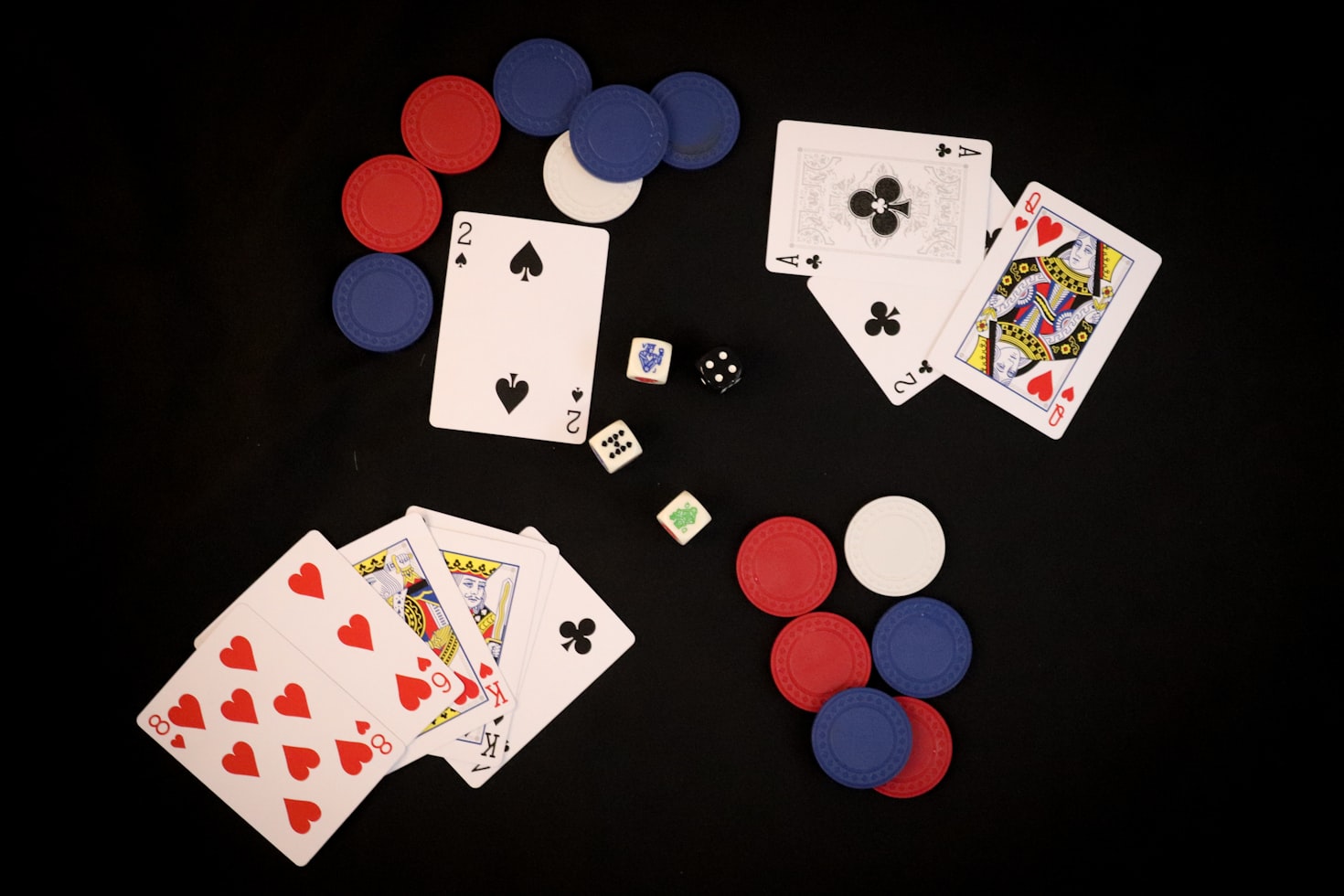
Moreover, the concept of luck can vary from person to person. Some individuals believe that they have a lucky streak or possess a unique ability to make favorable choices based on intuition. This belief can lead to a psychological phenomenon known as “confirmation bias,” where players remember their wins more vividly than their losses. As a result, they may feel that luck consistently favors them, even when statistical evidence suggests otherwise. This mindset can be empowering but also risky, as it may encourage irresponsible gambling habits fueled by an illusion of control.
In summary, while luck undeniably influences many gambling experiences, relying solely on it can be misleading. Players must understand that luck can change rapidly, and the success seen in one session may not carry over to the next. A balanced approach that considers both luck and skill is essential for sustainable gambling behavior and enjoyment.
The Importance of Skill in Gambling
Contrary to the notion that gambling is purely about luck, skill plays a significant role in many games, particularly those that involve strategy and decision-making. For instance, poker is a prime example where players must analyze their opponents, calculate odds, and make informed decisions based on the cards dealt. In this context, skill can greatly enhance a player’s chances of success. Experienced players often employ various strategies to outmaneuver their opponents, demonstrating that knowledge and practice can lead to consistent wins.
Additionally, understanding the mechanics of games can help players make better choices, minimizing losses over time. For example, in blackjack, players can employ strategies like card counting to increase their odds against the house. This analytical approach transforms gambling from a game of chance into a competition of skill, allowing knowledgeable players to gain a competitive edge. The more a player invests time in learning and practicing, the more skillful they become, thereby improving their overall chances of success.
Ultimately, the influence of skill in gambling cannot be overstated. While luck may dictate the outcome of individual games, skill determines the long-term success of a player. Those who approach gambling as a skill-based endeavor are likely to find greater satisfaction and potentially more sustainable results.
The Interplay Between Luck and Skill
The relationship between luck and skill in gambling is complex and often intertwined. Players must recognize that while skill can provide a significant advantage, luck will always be a factor, particularly in games with a high degree of randomness. This interplay can create a dynamic environment where skilled players may occasionally find themselves at the mercy of bad luck, while less experienced players might experience fleeting moments of success purely due to fortunate circumstances.
This interplay becomes even more pronounced in mixed games like Texas Hold’em, where skillful players often dominate, yet luck still influences the game. For instance, a skilled player may consistently make the right decisions, but an unlucky draw can undermine their efforts. Such scenarios illustrate the importance of resilience and adaptability in gambling, as players must learn to cope with both luck’s whims and their skill sets to maintain a positive outlook.
In conclusion, successful gambling often requires a delicate balance between luck and skill. While players should strive to enhance their skills and make informed decisions, they must also acknowledge the unpredictable nature of luck. This understanding can lead to a more holistic approach to gambling, where players appreciate both the thrill of chance and the satisfaction that comes from skillful play.
Gambling Addiction and Responsible Play
As thrilling as gambling can be, it is essential to recognize the potential for addiction. The allure of luck can create a dangerous cycle, leading players to chase losses and engage in increasingly risky behavior. Understanding the signs of gambling addiction is crucial for anyone involved in gambling, whether for entertainment or serious play. Common signs include an inability to stop gambling, hiding gambling behavior from others, and placing gambling before responsibilities.
Responsible gambling practices can help mitigate the risk of addiction. Setting limits on time and money spent gambling can ensure that the experience remains enjoyable rather than detrimental. Additionally, many gambling platforms now offer resources and tools to help players recognize harmful patterns and take steps to address them. By prioritizing awareness and responsibility, individuals can maintain a healthy relationship with gambling, allowing for enjoyment without the negative consequences of addiction.
Ultimately, promoting gambling addiction awareness is essential for the well-being of players. Engaging in discussions about the risks and signs of addiction can empower individuals to make informed choices, enabling them to enjoy gambling as a form of entertainment while safeguarding against its potential pitfalls.

Exploring Pinco: A Responsible Gambling Platform
Pinco stands out as a platform dedicated to providing a balanced gambling experience. By fostering an environment that prioritizes responsible play, Pinco offers players the chance to enjoy various games while also being mindful of the importance of addiction awareness. Their commitment to transparency and player education empowers users to make informed decisions regarding their gambling habits.
Moreover, Pinco provides various resources and tools designed to promote responsible gambling. From self-exclusion options to limits on deposits, the platform ensures that players have the means to manage their gambling activity effectively. This approach helps create a safe and enjoyable gaming environment, allowing players to engage with games while mitigating the risks associated with gambling.
In summary, Pinco is not just a gambling platform; it is a community focused on responsible gaming and player well-being. By integrating educational resources and fostering a culture of awareness, Pinco ensures that players can enjoy the thrill of gambling without sacrificing their mental health and financial stability.