
Luck versus skill which plays a bigger role in gambling success
The Role of Luck in Gambling
Luck is often regarded as the primary factor in gambling, especially in games of chance like slots or roulette. These games are designed so that the outcomes are random, meaning that no amount of strategy can influence the results. Players can only hope for the best when they place their bets, and the element of unpredictability adds excitement and allure to the gambling experience. For those seeking reliable gaming platforms, https://sandiegobeer.news/bestпо-cs2-csgo-gambling-sites-in-2026-for-beer-fans-safe-reliable-platforms/ offers great options to consider.

The notion of luck is deeply embedded in the culture of gambling. Stories abound of individuals hitting the jackpot on their first try or winning a significant sum with minimal effort. Such instances reinforce the belief that fortune plays a critical role in gambling success, captivating both casual players and seasoned gamblers alike.
The Importance of Skill in Gambling
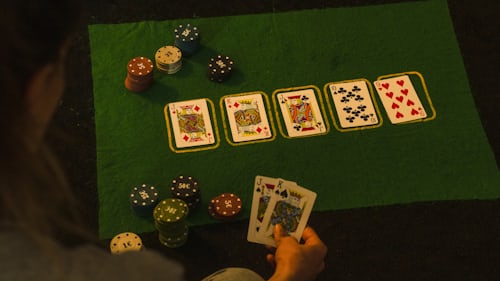
While luck can often steal the spotlight, skill is undeniably crucial in many gambling scenarios, particularly in games that require strategy and decision-making, like poker or blackjack. These games allow players to employ various techniques and strategies that can significantly increase their chances of winning. Knowledge of the game rules, understanding odds, and psychological tactics can set skilled players apart from their less experienced counterparts.
Skilled gamblers often analyze previous plays, calculate probabilities, and manage their bankroll effectively. This level of understanding and preparation transforms gambling from a mere chance-based activity into a competitive endeavor where skill can lead to consistent success over time.
The Balance Between Luck and Skill
The relationship between luck and skill in gambling is complex, as both elements often interact in nuanced ways. In many games, particularly those involving a blend of chance and strategy, luck can influence short-term outcomes, while skill governs long-term results. For instance, a skilled poker player may lose a few hands due to bad luck but is likely to come out ahead in the long run due to their expertise in the game.
Understanding this balance is vital for any gambler. Recognizing when luck plays a role and when skill can be applied enables players to make informed decisions. This awareness also helps manage expectations, as players can accept that luck will fluctuate while working on improving their skills.
Historical Perspectives on Gambling
Gambling has evolved over centuries, with its historical roots tracing back to ancient civilizations. Initially, it was heavily reliant on luck and superstition, with early games often governed by chance events. As society advanced, so did the complexity of gambling, incorporating rules and strategies that emphasized skill.
Over time, this historical evolution has shaped the way we perceive luck and skill in gambling today. From ancient dice games to modern casinos, the shift toward skill-based gambling reflects not just changing societal attitudes but also an understanding of probability and game theory. This evolution has created a more sophisticated environment where players can harness both luck and skill to enhance their gaming experience.
Your Gateway to Gambling Success
At our platform, we recognize the vital interplay between luck and skill in gambling. Whether you lean more towards games of chance or skill-based competitions, we aim to provide you with the resources and insights needed to navigate the world of gambling effectively. Our curated content covers everything from strategies to enhance your skills to understanding the odds and outcomes of various games.
Join us as we explore the exciting realm of gambling, equipping you with knowledge to enhance your chances of success. With our expert tips and comprehensive guides, you can maximize your gaming experience and engage with the thrilling world of chance and skill in gambling.