

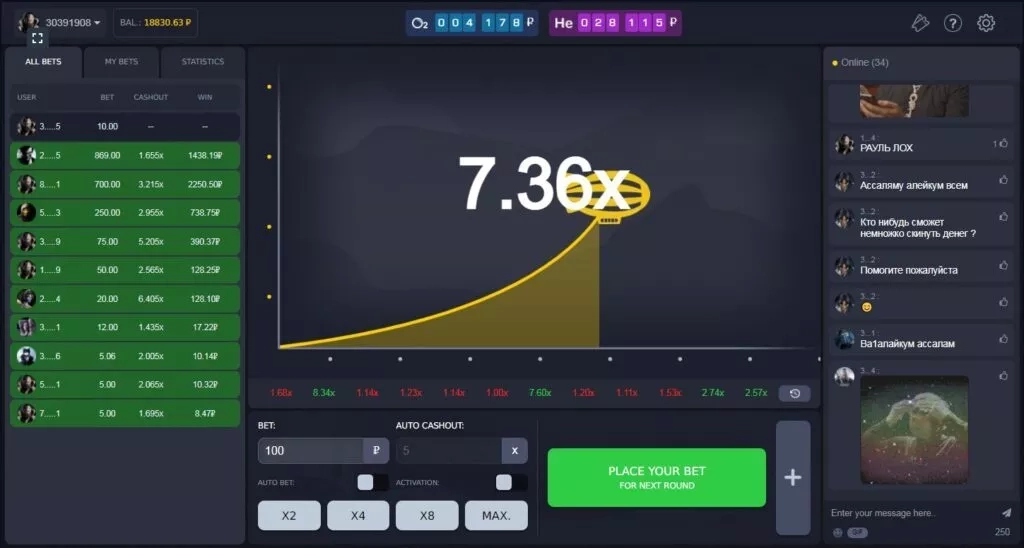
The Zeppelin Crash Game and similar games provide a specific kind of thrill zeppelincrash.co.uk. The multiplier rises, the tension grows, and a single moment can decide the outcome. For players in the UK, managing this excitement demands more than just quick reflexes. It calls for a solid plan for your money. This is where stake management plays a role. Consider it as the framework you set for yourself before you commence. It’s about determining how much you can spend, how much to bet each round, and when to quit. Getting this right turns a game of chance into a more measured form of entertainment. It maintains the fun going longer and safeguards your wallet. In the UK’s controlled market, where player safety is a priority, these strategies align perfectly with a responsible approach to gaming.
Understanding the Basics of Stake Management
At its heart, stake management is just a technical term for looking after your playing fund, or bankroll. It’s the fundamental skill for anyone who wants to keep playing crash games without regret. The golden rule is clear: only ever use money you can safely afford to lose. Applying that rule into practice means a few things. First, you designate a fixed amount of cash exclusively for gaming, completely separate from your rent or grocery money. That’s your bankroll. Then, you divide that bankroll into even smaller amounts for single playing sessions. This way, a bad streak doesn’t wipe you out completely. For UK players, this mirrors the advice from the Gambling Commission, which emphasizes control and protection. Good stake management prevents you from making desperate bets to win back losses. It positions gambling as a paid-for leisure activity, where you decide the ticket price upfront.
The Role of Stake Management in Crash Game Approach
Wager amounts is where your total bankroll meets the game. In a crash gambling game, you select when to cash out, so the amount you bet directly shapes your likely gain or loss. A core idea is to maintain your bet size small relative to your risk. Larger wagers produce larger fluctuations—a low multiplier becomes a big profit, but an early bust damages much more. Many players follow a simple fixed-percentage rule, staking only 1% or 2% of their session budget on each round. This strategy guarantees a run of bad luck won’t wipe out your funds. If your session funds is £20, a 2% bet is just 40 pence. Some people try out staking plans, like flat betting the same amount every time or carefully increasing bets after a win. No matter which method you try, consistency is key. The true risk is the temptation to quickly stake heavily after a loss, seeking to win your money back in one go. This is called chasing, and it’s a direct path to bigger losses. A consistent wager amount lets you endure the game’s typical swings.
Sophisticated Staking Plans for Seasoned Players
When you feel ready flat betting, you might look at more advanced staking plans. Keep in mind, no plan can remove the game’s built-in house edge. They are simply different ways to arrange your bets. One approach is the Percentage of Bankroll plan. Here, your bet size varies with your current funds. You might always bet 2% of whatever is in your session pot. This instinctively lowers your risk if you’re losing and enables you to grow your bets slightly when you’re winning. Another method is a cautious positive progression like the Paroli system. After a win, you double your bet for the next round, aiming to catch a short winning streak, but you return to your starting bet after a loss or a set number of wins. Any advanced plan must have a hard reset rule. The most important thing is to only ever use these tactics with a small part of your total bankroll and after you’ve practised. They need iron discipline, because the temptation to break your own rules during a hot or cold streak is a serious risk.
Evaluating the Risks of Progressive Systems
Progressive systems, whether they raise bets after wins or losses, come with their own set of dangers. They seek to exploit winning runs while trying to limit damage. But they depend on you having a bankroll that can survive a bad sequence. Systems that tell you to raise your bet after a loss, known as negative progressions, are notably risky for a fast game like crash. They necessitate exponentially larger bets to recoup losses, which can break through your limits in moments. The biggest risk might be psychological. These systems can create an illusion of control, making you feel like you’ve found a secret pattern. That overconfidence can make you overlook the basic rules of bankroll management. For the UK player, it’s crucial to remember these are just frameworks for managing money, not crystal balls. Test them without real money first. And always, always keep your overarching loss limits and session budgets in charge. Any profits you make should be considered as provisional until they’re back in your bank account.
Determining Your Own Betting Boundaries and Finances
The effort commences ahead of your opening bet. A wise player takes a moment and establishes defined limits that suit their finances and their appetite for risk. Kick off by selecting a total loss limit. This is the absolute ceiling you’re willing to lose over a 24-hour period, a seven days, or a 30-day period. It should be an amount that, if it disappeared, wouldn’t impact your life. Then, divide that overall into playing session budgets. If your monthly gambling bankroll is £100, you might give yourself £25 every Saturday. The critical part is this: when that £25 is depleted, you cease. End of story. Victory limits are equally important. Determine a profit objective, say making your £25 session bankroll grow to £40, and collect when you hit it. This solidifies your gains. The good news is that authorized sites offer tools to assist. You can set deposit limits, loss limits, and session alerts in your profile. Employing these tools backs up your own self-control with an added measure, helping you to adhere to your plan and appreciate the gaming experience on your conditions.
Typical Stake Management Pitfalls to Avoid
Recognizing what commonly goes wrong can help you avoid them. The most damaging habit is trying to recover losses. Increasing your bets to recoup what you just lost usually ends in more rapid, larger losses and a shattered budget. The contrary can also harm: over-betting after a big win because you believe invincible, which can eliminate those fresh profits. Another typical error is combining your gambling money with your everyday funds. When the lines fade, it’s simple to spend more than you planned. Ignoring the responsible gambling tools that licensed UK sites offer is a lost opportunity. These deposit limits and reality checks are present to support your willpower. Finally, not documenting your session rules is a blunder. In the intensity of the moment, willpower often crumbles. Successful stake management is about taking your decisions calmly beforehand and then adhering to them automatically during play. Evading these pitfalls is an continuous exercise in honest self-awareness.
Mental Aspects of Managing Your Wagers
The numbers are only half the battle. Your psychology plays an equally huge role. Crash games are engineered for excitement. That climbing multiplier creates a tension that can easily twist your judgment. Two mental traps cause most problems: the gambler’s fallacy and loss chasing. The gambler’s fallacy is the false idea that past results influence future ones. You might think a crash is “due” after several high multipliers, leading you to bet more than you should. Loss chasing is that frantic feeling after a loss, driving you to raise your stake immediately to recover, which often worsens the situation. A solid stake management plan acts as a buffer against these impulses. By deciding your limits when you’re calm and adhering to small, consistent bets, you guard yourself from emotional spikes. The game becomes less of a white-knuckle ride and more of a managed pastime. For UK players, this objectivity translates to decisions based on plan, not panic, rendering the whole experience more sustainable and a lot more fun. Knowing these traps exist is your best protection against them.
Features and Options for Controlled Play on UK Sites
UK gambling sites operate under strict rules. Platforms that host the Zeppelin Crash Game are required to give players tools to manage their play. These features are intended to back up your personal strategy. Deposit limits let you cap how much money you can add to your account over a day, week, or month. Loss limits put a ceiling on how much you can lose in a set period. Session timers pop up to remind you to take a break. Your full transaction history is always available, giving you a clear picture of your activity. For a longer break, you can use the national self-exclusion scheme, GAMSTOP, which blocks access to all licensed sites. Using these tools isn’t a sign of weakness; it’s a mark of a smart player. They build an external fence around your internal discipline. To get the most from them, take a few minutes to set them up properly in your account. A step-by-step approach works best.
- Set Realistic Deposit Limits: Choose daily, weekly, and monthly ceilings based on what you’ve honestly budgeted for entertainment.
- Set Loss Limits: Adjust these to trigger at a point well below your total bankroll, so they act as an early alarm.
- Employ Session Timers: Programme a reminder to pause every 30 or 60 minutes. This helps you stay clear-headed and avoid tired, poor decisions.
- Review Statements Regularly: Check your transaction history every so often. It gives you the cold, hard facts about your wins, losses, and how often you play.
- Know About Self-Exclusion: Understand how to use GAMSTOP or the site’s own self-exclusion tool. It’s a crucial safety net if you feel you need a complete break.
By taking these steps, you build a strong structure of accountability around your play. This makes informed stake management a normal, supported part of your gaming routine.