

For Canadian fans of Cash Show, understanding session timeouts is a key aspect of playing responsibly https://aviacasino.games/cash-show/. These aren’t just background technical details. They’re active tools that offer you safety and control. Let’s explore how these timeouts work, why they are relevant for players in Canada, and how to set them up to keep the fun going while protecting your account and your own well-being.
Grasping Session Timeouts in Digital Gaming
A session timeout is an automatic security feature. It signs you out after you’ve been inactive for a while. In Cash Show, this means the game pauses and takes you back to the login screen if it doesn’t register any taps or swipes. This does two important things. It safeguards your account safe from prying eyes, and it encourages you to take breaks. For Canadians, it’s a essential but vital layer of protection, particularly if you ever play on a shared tablet or a public device.
The concept is basic but effective. Walk away from your phone, and the timeout engages. It locks your current game progress and your personal information. This blocks someone else from looking at your account or making moves you didn’t authorize. That moment you get distracted becomes a guaranteed safety check. Your virtual earnings and profile stay under your control, even when you’re not looking.
Why Timeout Settings Serve as a Safety Measure in Canada
Canadians exist in a digital world, and personal cybersecurity is a ongoing concern. Timeout settings handle specific, everyday risks. Imagine someone glancing at your screen on the bus, or a sibling picking up a shared family iPad. These settings enforce a simple rule: if you’re not actively playing, you shouldn’t be logged in. It’s a key piece of creating a secure gaming space.
The safety angle reaches further than the device itself. These settings match a broader Canadian conversation about digital health. They introduce natural stopping points, interrupting what could become a long or repetitive play session. When the game logs you out, you need to make a conscious choice to log back in. That small moment of decision supports better habits. Here, safety is about securing your time and attention, not just your data.
The Relationship to Financial and Data Security
Cash Show pays out for skill, but any platform that keeps your data and presents earnings demands some financial caution. A session timeout limits the opportunity for mischief if your login details were ever stolen. It ensures that even if you leave your device unattended, the link to your account and any personal details gets cut. That simple action greatly lowers your risk.
This logic should seem familiar to Canadians who use online banking or e-transfers. The idea of an automatic session closing is a standard practice from finance apps, now used to entertainment. Getting used to it in a game like Cash Show bolsters safer online behavior overall. It creates habits that shield more than your quiz score.
Default Timeout Behavior within Cash Show
Cash Show has default session timeouts in place. This provides every user a fundamental level of security. Usually, after 5 to 15 minutes with no activity, the app will log you out automatically. The developers picked this range as a sensible middle ground. It gives you time for a quick pause without leaving your account wide open on an unlocked device for half an hour.
Remember, the timer generally resets with any interaction. Reply to a question, open a menu, and the clock starts over from that moment. Recognizing how the default works is your foundation for customizing your experience. It demonstrates the developer’s focus on safety, but that one-size-fits-all approach might not match your particular life, especially if you share devices.
How to Change Your Session Timeout Settings
Adjusting your session timeout in Cash Show is straightforward and puts you in command. Begin by going into the game’s settings or security area. You’ll usually find this in your profile or account area. Search for labels like “Security,” “Auto-Logout,” or “Session Timeout.” The exact spot might change a little after an app update, but you can always find it among the control choices.
When you locate the setting, you’ll usually see a list of time durations. Options could include “Immediate,” “1 minute,” “10 minutes,” “30 minutes,” or even “Never.” Choosing “Never” is a bad idea for protection. Rather, choose a time that fits how you actually play and where you use your equipment. Approve your decision, and the new timeout will activate after your current session ends.
Detailed Configuration Guide
Below is a clearer walkthrough. Start the Cash Show app and log in. Click your profile picture or avatar in the top section to open the main interface. Navigate down to find “Settings” or a gear symbol. Inside Settings, look for “Privacy & Security” or “Account Security.” Select on “Automatic Logout” or “Session Timeout.” Choose your preferred time from the list that appears. Just back out of the section; your choice stores on its own.
Unable to locate the option? Check the in-app help section or FAQ for the latest advice. App layouts change, but this feature remains crucial. Spending a couple minutes to set it up is a smart move. It protects your account and helps you stay aware about your game duration.
Recommended Timeout Lengths for Multiple Scenarios
The best timeout length relies on your own situation. If you primarily play on a individual, password-protected phone, try 10 to 15 minutes. This strikes convenience and security well. You can deal with a short interruption without repeatedly logging back in, but you’re still safe if you fail to close the app entirely.
For a communal device, like a main living room tablet, employ a much shorter timeout. One to five minutes is advisable. This guarantees other people in your home cannot get into your account after you set the device down. In a common physical space, security needs to come before convenience. That’s a vital point for many Canadian households.
Open Devices and High-Risk Environments
If you ever access Cash Show on a shared computer or a friend’s phone, the utterly safest move is to log out yourself as soon as you finish. But adjusting the timeout to “1 minute” or “Immediate” before you start provides a crucial backup. These are the riskiest environments, so the shortest possible timeout is the only wise choice for safeguarding your account.
Think about your own habits. Do you take many quick breaks? A longer timeout might spare you some annoyance. Do you get sidetracked easily? A shorter one is safer. The goal is to match the setting to your real behavior, not what you wish your behavior was. An honest self-assessment is the basis of good personal cybersecurity.
What Happens When Your Session Times Out
When Cash Show initiates a session timeout, it reliably ends your active session. The app takes you back to the initial login or welcome screen. If you were in a live game round and your progress wasn’t saved, you could lose your place. That’s why it’s good to be aware of the timer when you’re actively playing. The app usually doesn’t give a warning; the logout happens quietly and on its own.
To get back in, you need to log in again with your username and password. This fresh login is the security feature doing its job, verifying it’s really you. Don’t worry, your account data, earnings, and overall progress are secure and stored on the game’s servers. The timeout only influences the session on your specific device, not your master account profile.
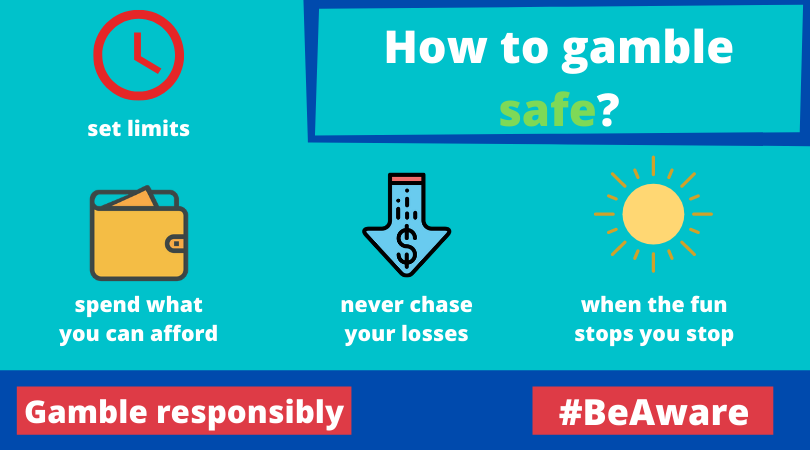
Striking a Balance Between Convenience, Security, and Well-being
Achieving the right balance depends on individual preferences. A timeout that’s too short feels annoying. Frequent logins can frustrate players and might even encourage bad habits, like using weak passwords just to speed things up. Conversely, a timeout that is too lengthy or disabled negates all security and wellness advantages. This leaves your account and your routines vulnerable.
An effective balance reduces unnecessary disruptions while protecting you during real moments of distraction. It respects your gaming flow but doesn’t allow open, unattended access forever. For most Canadian players, a middle-of-the-road setting, paired with the basic habit of locking your device screen, creates a strong, layered defense. This approach supports both fun and safety.
Embedding Timeouts into a Balanced Gaming Practice
Try to see session timeouts as a built-in reminder, not a restriction. That automatic logout can serve as a prompt to ask yourself a question. Do I want to start another session, or is this a good time for a longer break? This merges online safety with online wellness. It fosters purposeful play, where every login is a thoughtful decision. That leads to a more sustainable and enjoyable relationship with the game over time.
Our suggestion is to match the technical configuration with your own practices. Treat the timeout as your backup, not your only plan. Consider setting a separate timer for longer play sessions. When the Cash Show timeout happens, use it as a cue to stand up and look away from the screen for a minute. This whole-picture method turns the feature into a partner for a better experience.
Typical Questions Concerning Cash Show Session Management
Players often inquire if modifying the timeout influences their game notifications. It does not. Alerts for new shows or reminders function separately of your active login session. One more common question is about timeouts during a game round. Policies may differ, but most sessions are built to hold your spot if you time out mid-game. You will, nevertheless, be required to log back in quickly to get back into the action.
People also question if the setting synchronizes between devices. Generally, the session timeout is a local device setting. Setting it on your iPhone does not automatically use the same rule to your Android tablet. You must to modify it separately on every device where you play Cash Show. This allows you tailor the security to the specific context of each piece of hardware.
Proactive Security Beyond Session Timeouts
Session timeouts are essential, but they’re just a component of the security puzzle. Canadian players should also enable two-factor authentication (2FA) if Cash Show provides it. This adds a second check whenever you log in from a new device. Set up a secure, unique password for your gaming account. Avoid reusing the password from your email or bank.
Maintain the Cash Show app up-to-date so you always have the latest security fixes. Watch out for phishing scams that pretend to be from the game. Under no circumstances share your login details because of an email or text message. On your device itself, always enable a screen lock, whether it’s a PIN, pattern, or fingerprint. Together with a well-adjusted session timeout, these steps form a powerful defense for your account and your information.
Adjusting your session timeout settings in Cash Show is a straightforward but powerful move for any Canadian player. It right away makes your account more secure, shields your personal data, and encourages better gaming habits by inserting deliberate stops. By knowing how it works, adapting it for your life, and integrating it with other security steps, you create a safer, more regulated, and more enjoyable gaming environment that suits the way you live.