
Understanding psychological triggers behind gambling behavior
The Nature of Gambling Addiction
Gambling addiction is often viewed through the lens of thrill-seeking behavior, but the psychological underpinnings are complex and multifaceted. At its core, gambling offers an escape from everyday life, serving as a temporary distraction that captivates the mind. This form of escapism can be particularly appealing to individuals who experience stress, anxiety, or depression, as it provides a fleeting sense of control and excitement. The unpredictability of outcomes in gambling further intensifies this allure, transforming it into a cycle of hope and despair. Many players explore different platforms, including https://slotzania.casino/, to enhance their experience.

Additionally, the brain’s reward system plays a crucial role in reinforcing gambling behavior. When individuals win, their brains release dopamine, a neurotransmitter associated with pleasure and reward. This chemical reaction can lead to a euphoric state that encourages further gambling, despite the potential for significant losses. The anticipation of winning, fueled by the desire for a reward, creates a powerful psychological trigger that often overshadows the rational understanding of risks involved.
The social environment surrounding gambling can also amplify addictive behaviors. Casinos and online platforms often incorporate social elements, such as leaderboards and multiplayer games, which can enhance the experience and make it more engaging. This communal aspect can create a sense of belonging, further driving individuals to participate, even when they are aware of the dangers. The combination of individual psychological factors and social dynamics makes gambling addiction a pervasive issue in today’s society.
The Role of Cognitive Distortions
Cognitive distortions significantly influence how individuals perceive gambling and their likelihood of engaging in it. These mental shortcuts can lead players to overestimate their chances of winning or downplay the risks associated with their behavior. For instance, the ‘gambler’s fallacy’ is a common belief where individuals think that past outcomes will affect future events, leading them to believe that they are ‘due’ for a win. This flawed reasoning can perpetuate gambling habits and contribute to ongoing losses.
Another distortion, known as ‘illusion of control,’ occurs when players believe they can influence the outcome of a game through skill or strategy, despite the inherent randomness of many gambling activities. This belief can lead to excessive confidence and increased gambling frequency, as individuals convince themselves that they possess the ability to change their fortunes. Such cognitive distortions are often reinforced by advertising and marketing strategies that portray gambling as a skillful endeavor rather than a game of chance.
Understanding these cognitive biases is crucial for both prevention and treatment of gambling addiction. By recognizing the ways in which our thoughts can distort reality, individuals can better navigate their gambling behaviors and make informed decisions. Therapies such as cognitive-behavioral therapy aim to identify and restructure these distorted thoughts, helping individuals regain control over their gambling habits and reduce the associated risks.
The Psychological Impact of Winning and Losing
The emotional highs and lows of gambling can have significant psychological effects on individuals. Winning can create an exhilarating rush that strengthens the desire to continue playing, while losing can lead to feelings of despair and regret. This cycle of emotions can become addictive in itself, as individuals chase the next win to escape the negative feelings that arise from losses. The risk of developing a gambling addiction often increases when players begin to rely on the positive feelings associated with winning to cope with stress or emotional challenges.
Additionally, the aftermath of substantial losses can lead to psychological distress, including anxiety and depression. Many individuals may engage in self-blame or experience shame, which can create a vicious cycle of trying to win back losses. This behavior can result in further financial difficulties, which exacerbate the emotional turmoil and often leads to more gambling as a misguided attempt to regain control over their circumstances.
Understanding the psychological ramifications of both winning and losing is vital for creating effective intervention strategies. Individuals who experience severe emotional distress as a result of gambling may benefit from counseling and support groups. These resources provide a safe space for individuals to share their experiences, learn from others, and develop healthier coping mechanisms that do not involve gambling.
The Influence of Environment and Marketing
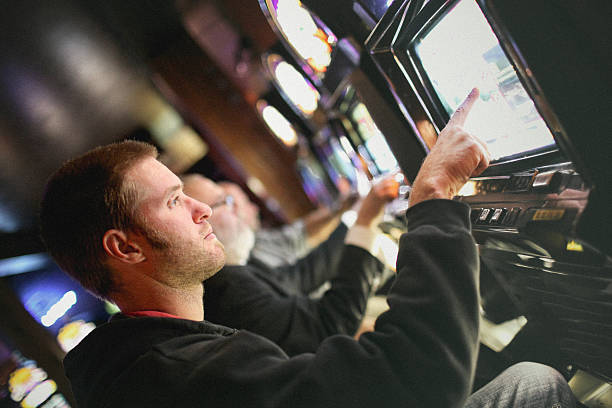
The gambling environment plays a crucial role in shaping individuals’ behaviors and perceptions. Well-designed casinos and online platforms create an atmosphere that encourages spending. The strategic placement of games, enticing visuals, and ambient sounds are all designed to capture attention and stimulate excitement. The use of bright lights and engaging graphics can create a sensory overload that makes it difficult for individuals to step away, contributing to prolonged gambling sessions.
Moreover, marketing strategies that promote gambling often emphasize the excitement and glamour associated with winning, while downplaying the risks involved. Advertisements frequently feature individuals celebrating big wins, creating an illusion that success is easy and achievable. Such messaging can manipulate perceptions, making gambling appear less risky and more appealing, especially to vulnerable populations. This targeted marketing can increase participation among those who may not have otherwise engaged in gambling.
Understanding the influence of environmental and marketing factors is essential for creating awareness about the potential dangers of gambling. Public health campaigns can play a vital role in educating individuals about the risks and realities of gambling, promoting responsible behaviors, and discouraging participation in high-risk gambling environments. By fostering a more informed populace, we can help individuals make healthier choices regarding their gambling activities.
Slotzania: A Platform for Responsible Gambling
Slotzania is an innovative online casino that not only focuses on providing entertainment but also emphasizes the importance of responsible gambling practices. Launched in 2026, it offers a diverse range of gaming options, including modern slots and live dealer experiences. The user-friendly interface ensures that both new and experienced players can navigate the site effortlessly, while the extensive game selection caters to various preferences and interests.
New users can take advantage of generous welcome bonuses, including a 100% first deposit boost or 50 free spins. However, Slotzania is committed to promoting responsible gambling, encouraging players to set limits on their spending and time spent playing. The platform also offers resources for individuals seeking help, demonstrating its dedication to fostering a safe gaming environment.
By prioritizing both entertainment and responsibility, Slotzania ensures that players can enjoy their gaming experiences while minimizing the risk of developing harmful gambling behaviors. With fast cryptocurrency payments and 24/7 customer support, Slotzania aims to provide a seamless experience that allows players to focus on enjoyment while being mindful of the psychological triggers that can influence their gambling behavior.